Introduction
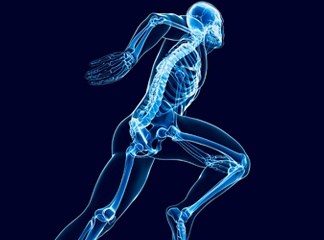
Musculoskeletal disorders (MSDs) encompass a wide range of conditions that affect the bones, muscles, joints, and connective tissues. These disorders are incredibly common and can significantly impair one's quality of life. In fact, issues like back pain and joint pain are among the leading causes of disability globally. Understanding these disorders is crucial not just for patients but also for healthcare providers, including osteopathic doctors who specialize in holistic treatments.
In this article, we will dive deep into the world of musculoskeletal disorders. We'll explore their causes, symptoms, diagnosis methods, treatment options—including osteopathic approaches—and provide insights on how to manage these conditions effectively.
What Are Musculoskeletal Disorders?
Musculoskeletal disorders refer to a variety of conditions that affect the body's movement or musculoskeletal system. This system includes bones, muscles, tendons, ligaments, and other connective tissues. MSDs can arise from various factors including injury, overuse, aging, and chronic diseases.
Types of Musculoskeletal Disorders
There are several types of MSDs that people may encounter:
Arthritis: Inflammation of one or more joints causing pain and stiffness. Osteoporosis: A condition where bones become weak and brittle. Back Pain: A common issue that can stem from numerous causes. Tendinitis: Inflammation or irritation of a tendon. Fibromyalgia: A disorder characterized by widespread musculoskeletal pain.How Common Are Musculoskeletal Disorders?
According to the World Health Organization (WHO), nearly 1 in 5 adults experiences MSDs at some point in their lives. This staggering statistic underscores the importance of understanding these conditions better.
Causes of Musculoskeletal Disorders
Understanding the underlying causes can help both patients and healthcare providers develop effective treatment plans.
Injuries
Acute injuries such as fractures or sprains can lead to long-term musculoskeletal problems if not treated properly. For example:
- Fractures: Broken bones often require rehabilitation. Sprains/Strains: Overstretching can lead to chronic pain if not addressed.
Overuse
Repeatedly using certain muscles or joints without adequate rest can lead to conditions like tendinitis or bursitis.
Age-related Changes
As we age, our bones lose density and our muscles weaken—making us more susceptible to disorders such as osteoporosis.
Lifestyle Factors
Sedentary lifestyles contribute significantly to musculoskeletal issues:
- Lack of exercise leads to weaker muscles. Poor posture during daily activities can result in back pain.
Symptoms of Musculoskeletal Disorders
Symptoms vary widely depending on the specific disorder but generally include:
- Pain Stiffness Swelling Difficulty moving a joint Decreased range of motion
Recognizing these symptoms early on can lead to more effective treatment options down the line.
Diagnosis Methods for Musculoskeletal Disorders
Accurate diagnosis is critical for effective treatment. Healthcare professionals use various methods:
Physical Examination
An osteopath will conduct a thorough physical exam focusing on your movement patterns and areas where you experience pain.
Imaging Tests
Tests like X-rays or MRIs help visualize issues within bones and soft tissues.
Lab Tests
Blood tests may be ordered to rule out inflammatory or autoimmune diseases.

A Comprehensive Look at Musculoskeletal Disorders and Their Treatments
When it comes to treating musculoskeletal disorders, there’s no one-size-fits-all approach. Treatment options range from conservative management techniques to more invasive procedures depending on severity.
Non-Surgical Treatments
Physical Therapy- Tailored exercises can help improve strength and flexibility.
- Over-the-counter pain relievers like ibuprofen may be recommended.
- Weight loss for those with arthritis can reduce stress on joints.
- An osteopath may use hands-on techniques to improve alignment and alleviate pain.
Surgical Treatments
In cases where conservative measures fail:
Arthroscopy- Minimally invasive surgery used for joint issues.
- Commonly performed for severe arthritis cases affecting mobility.
- Used primarily for spinal disorders when stability is required.
Role of Osteopathic Medicine in Treating MSDs
Osteopathic medicine focuses on holistic care addressing not just symptoms but also lifestyle factors contributing to musculoskeletal disorders.
Principles of Osteopathy
The body is a unit; all systems are interrelated. The body has self-healing capabilities. Structure and function are reciprocally interrelated.This perspective allows osteopathic doctors in Southlake TX—or anywhere—to tailor treatments uniquely suited for each patient’s needs.
FAQs about Musculoskeletal Disorders
1. What causes back pain?
Back pain can result from various factors including poor posture, muscle strain, herniated discs, or degenerative disc disease among others.
2. How can an osteopath help with joint pain?
An osteopathic doctor focuses on improving alignment through manipulation techniques that promote better blood flow and reduce inflammation around painful joints.
3. Is surgery necessary for all musculoskeletal disorders?
Not at all! Many cases can be managed effectively with non-surgical treatments such as physical therapy or medication before considering surgical options.
4. Can lifestyle changes alleviate symptoms?
Yes! Regular exercise, maintaining a healthy weight, proper ergonomics at work, and stretching routines can significantly alleviate symptoms associated with MSDs.
5. How do I know if I need an osteopath?
If you’re experiencing persistent joint or back pain that affects your daily activities—even after seeing your regular doctor—it might be beneficial to consult an osteopath Southlake TX who specializes in holistic treatments tailored specifically for you!
6. What are the long-term effects of untreated musculoskeletal disorders?
Untreated conditions could potentially worsen over time leading to chronic pain, decreased mobility, dependency on medications, or even disability in severe cases.
Conclusion
Musculoskeletal disorders represent a significant health concern affecting millions worldwide; however, understanding these conditions opens up avenues for effective treatment strategies—especially through osteopathic medicine which emphasizes holistic care focused on alignment and overall well-being.
Whether you're dealing with back pain or joint discomfort caused by everyday wear-and-tear—or something more serious—consulting an experienced osteopathic doctor could provide relief you never thought possible!
With proper diagnosis followed by tailored treatment plans incorporating lifestyle changes along with medical interventions when necessary—living well with musculoskeletal disorders is entirely achievable!
So take charge today; educate yourself about your symptoms—and consider reaching out to an expert who understands how best to support your journey toward recovery!
This comprehensive exploration helps shine light on both understanding musculoskeletal disorders better as well as emphasizing their effective management through appropriate treatments—all while fostering trust between practitioners like your local osteopath Southlake TX!